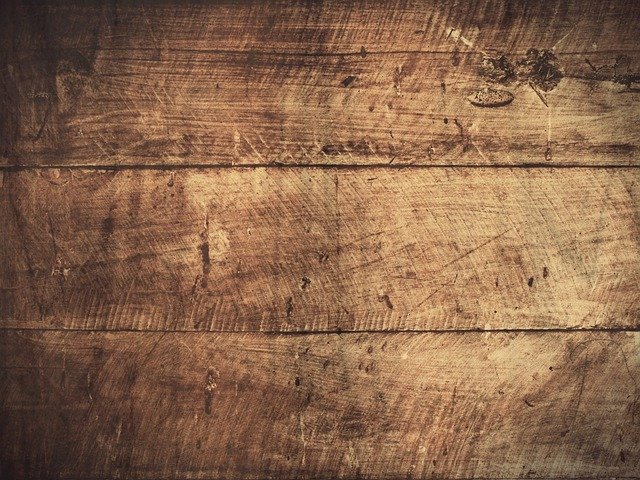
Dark hardwood and laminate floors are undeniably stylish. They make a space feel modern, dramatic, and luxurious. But before committing to a deep espresso or charcoal finish, it’s worth considering the downsides that homeowners often don’t expect.
One of the biggest drawbacks is the visibility of dirt and dust. Dark floors tend to show everything—pet hair, footprints, crumbs, and debris stand out much more than they do on lighter surfaces. This means more sweeping and vacuuming to keep the floors looking clean, which can be frustrating in high-traffic areas.
Another con is the way dark floors expose scratches and wear. Any slight scuff or dent becomes more obvious against a deep-colored background. Families with pets or kids may find the constant touch-ups and maintenance overwhelming. Even normal furniture movement can leave marks that are difficult to hide.
Dark floors can also affect the perception of space. While they add sophistication, they can make smaller rooms feel tighter and more enclosed. If a home doesn’t have large windows or lots of natural light, deep-colored flooring can create a shadowy, heavy atmosphere.
Temperature and lighting also matter. Dark surfaces absorb more heat and can make rooms feel warmer in sunny climates. Plus, choosing décor that matches the floors becomes trickier; too many dark elements can create a gloomy look, while lighter pieces may create a stark contrast.
While dark floors are beautiful, they require extra upkeep and thoughtful design choices. For homeowners who want an easy, bright, low-maintenance space, light or medium-toned flooring might be the better option.